In conclusion, industries are moving toward smart and connected machines to stay competitive, reduce costs, improve quality, and gain real-time insights—making them essential for modern, future-ready operations.



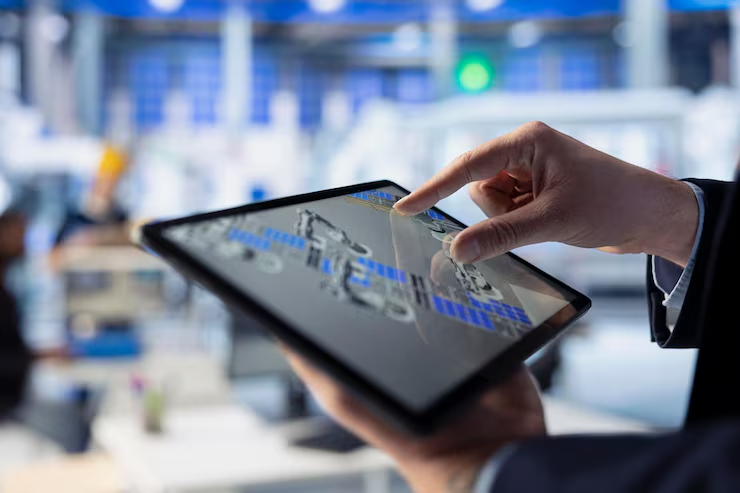
Industries across the globe are rapidly adopting smart and connected machines as part of the shift toward digital transformation and Industry 4.0. These machines combine automation, sensors, connectivity, and data analytics to deliver higher performance and greater business value. Here’s why this transition is happening across nearly every sector:
1. Improved Operational Efficiency
Smart machines monitor their own performance in real time and automatically adjust settings for optimal output. This reduces errors, improves speed, and ensures consistent quality while minimizing downtime.
2. Predictive Maintenance and Reduced Downtime
Connected machines use sensors and data analytics to predict equipment wear and potential failures before they occur. This allows industries to schedule maintenance proactively, avoiding costly breakdowns and production interruptions.
3. Data-Driven Decision Making
Smart machines generate valuable data on production, energy usage, and performance trends. This information helps businesses identify inefficiencies, optimize processes, and make informed strategic decisions.
4. Lower Operating Costs
By reducing manual intervention, minimizing waste, optimizing energy consumption, and preventing unexpected failures, smart machines significantly lower overall operating costs.
5. Enhanced Quality and Consistency
Automation combined with intelligent monitoring ensures uniform production standards. Real-time quality checks reduce defects and rework, helping companies maintain high product quality.
6. Remote Monitoring and Control
Connected systems allow operators and managers to monitor and control machines remotely. This is especially valuable for multi-location operations and helps ensure continuous performance even with limited on-site staff.
7. Greater Flexibility and Customization
Smart machines can be reprogrammed quickly to handle different products or production requirements. This flexibility supports mass customization and faster response to market changes.
8. Improved Safety and Compliance
Advanced sensors and automated controls reduce the need for human interaction with hazardous processes. Built-in compliance tracking also helps industries meet regulatory and safety standards more easily.
9. Scalability and Future Readiness
Smart and connected machines integrate easily with other digital systems such as ERP, MES, and cloud platforms. This ensures businesses are prepared for future growth and technological advancements.